
¿qué estás buscando?
?
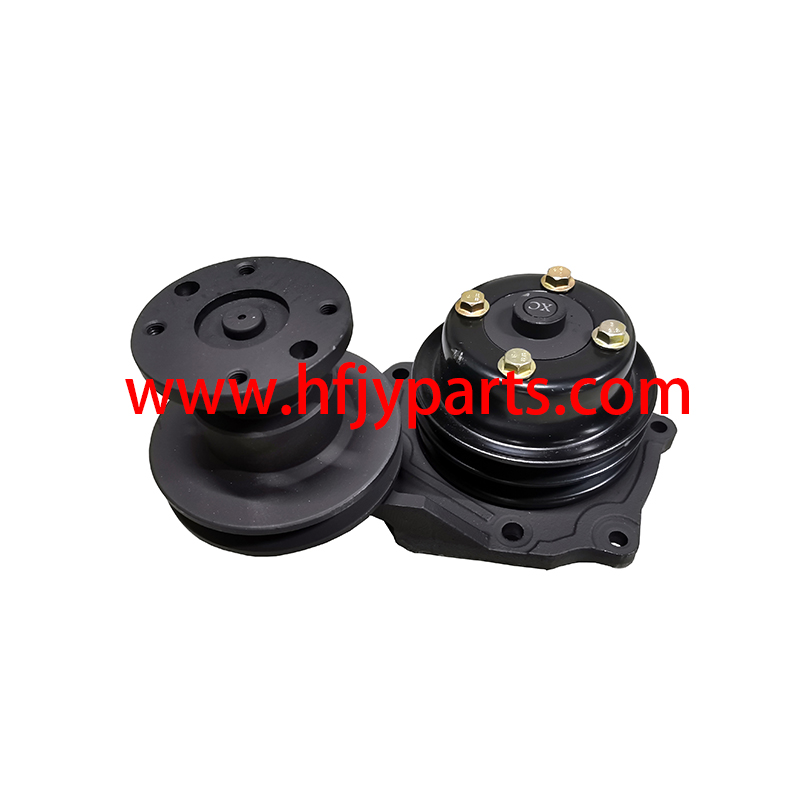
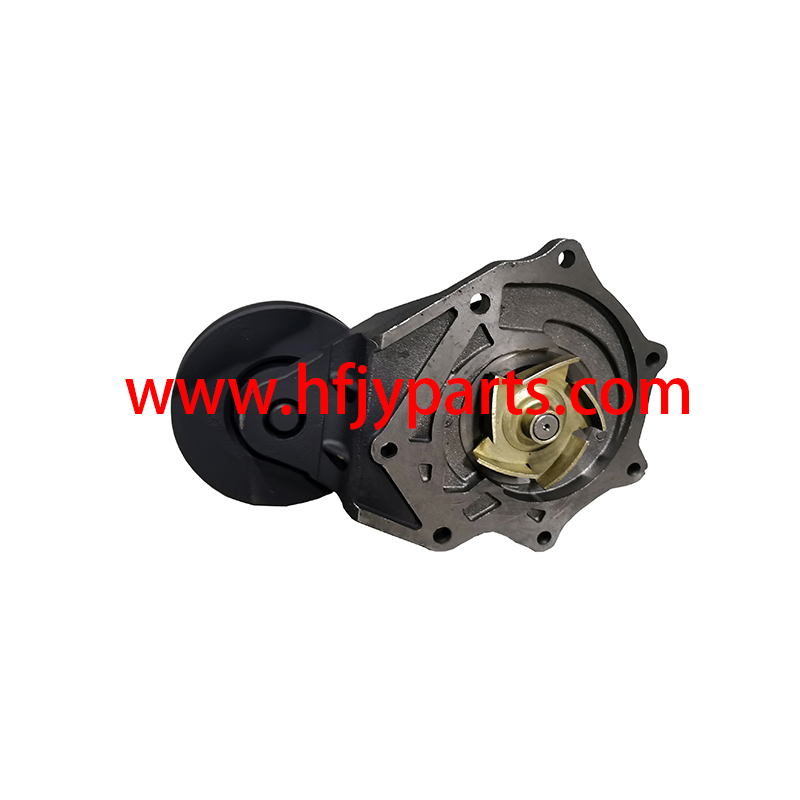
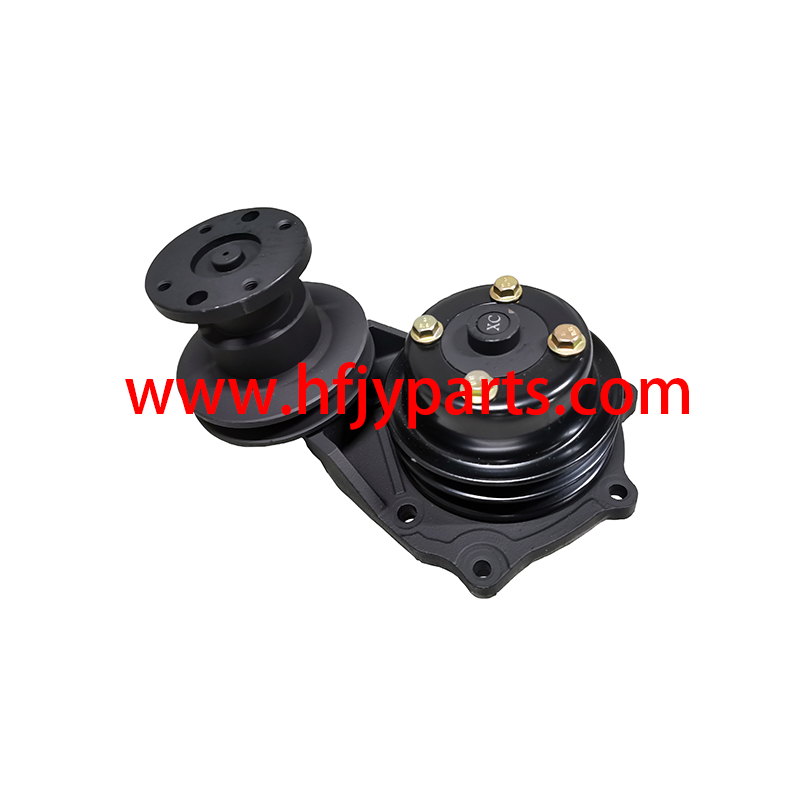
Hefei Jingyuan Machinery Equipment supply high quality Forklift Parts with good price. This is Water Pump used for DACHAI CA498. We also provide other parts for TCM、KOMATSU、NISSAN、TOYOTA、MITSUBISHI Forklift.
Número de artículo :
Forklift Parts Water PumpModelo :
1307010-X52Condición :
NewIndustrias aplicables :
ForkliftPaquete de transporte :
Carton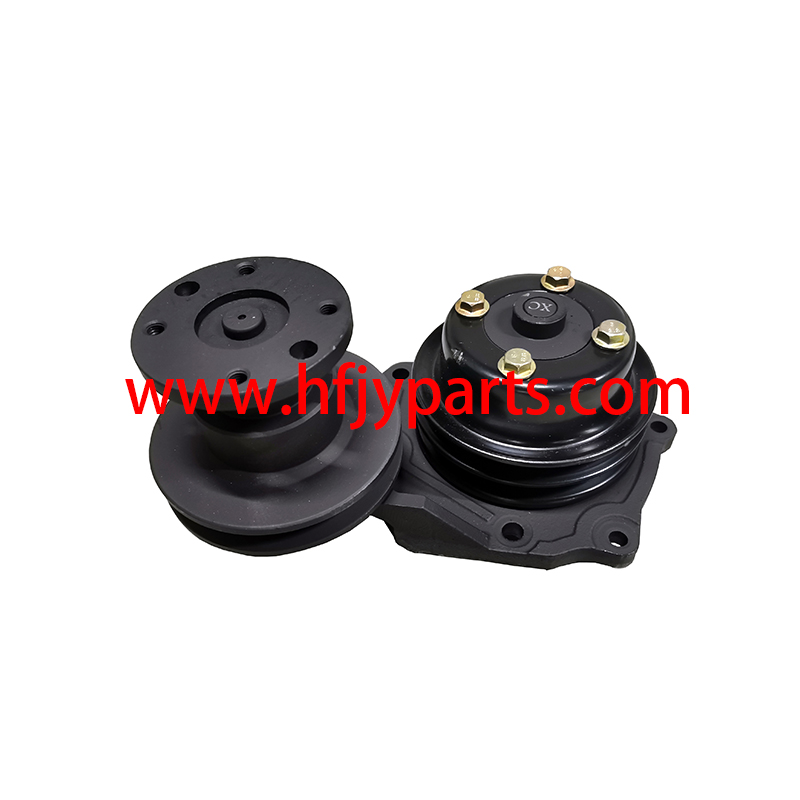
1. Providing Circulation Power and Pressurization
Driven by the engine pulley, the water pump rotates its shaft and impeller at high speeds. Centrifugal force throws the coolant toward the edges of the pump housing, generating pressure and forcing the fluid out through the discharge outlet. Simultaneously, a low-pressure zone forms at the center of the impeller, drawing coolant in from the radiator and thereby providing a continuous driving force for circulation throughout the cooling system.
2. Maintaining Optimal Engine Operating Temperature
Heat Dissipation and Overheat Prevention: The water pump circulates coolant into the water jackets of the engine block and cylinder head to absorb excess heat generated during combustion. It then transports the heated coolant to the radiator, where—assisted by the cooling fan—the heat is dissipated into the air, preventing engine damage caused by overheating (or "boiling over").
Temperature Retention and Warm-up: When the forklift is first started (cold start), the water pump works in conjunction with the thermostat to restrict coolant circulation to the engine interior only (a "small loop"). This helps the engine rapidly reach its optimal operating temperature (typically between 80°C and 90°C) and maintains temperature stability under varying load conditions.
| Parameter | Details |
|---|---|
| Product Name | Forklift Parts Water Pump |
| OEM Number | 1307010-X52 |
| Engine Fitment | DACHAI CA498 |
| Compatible Equipment | Forklifts |
| Fuel Type | Diesel |
| Condition | 100% Brand New Aftermarket High Quality |
| Material | Cast Iron or Aluminum Alloy |
| Warranty | 6 - 12 Months (Depending on terms) |
| MOQ | 1 Piece (Sample order accepted for quality testing) |
| Packing | Standard Neutral Carton / Customized Brand Packaging |
*Please contact us with your forklift model or OEM number for compatibility confirmation.
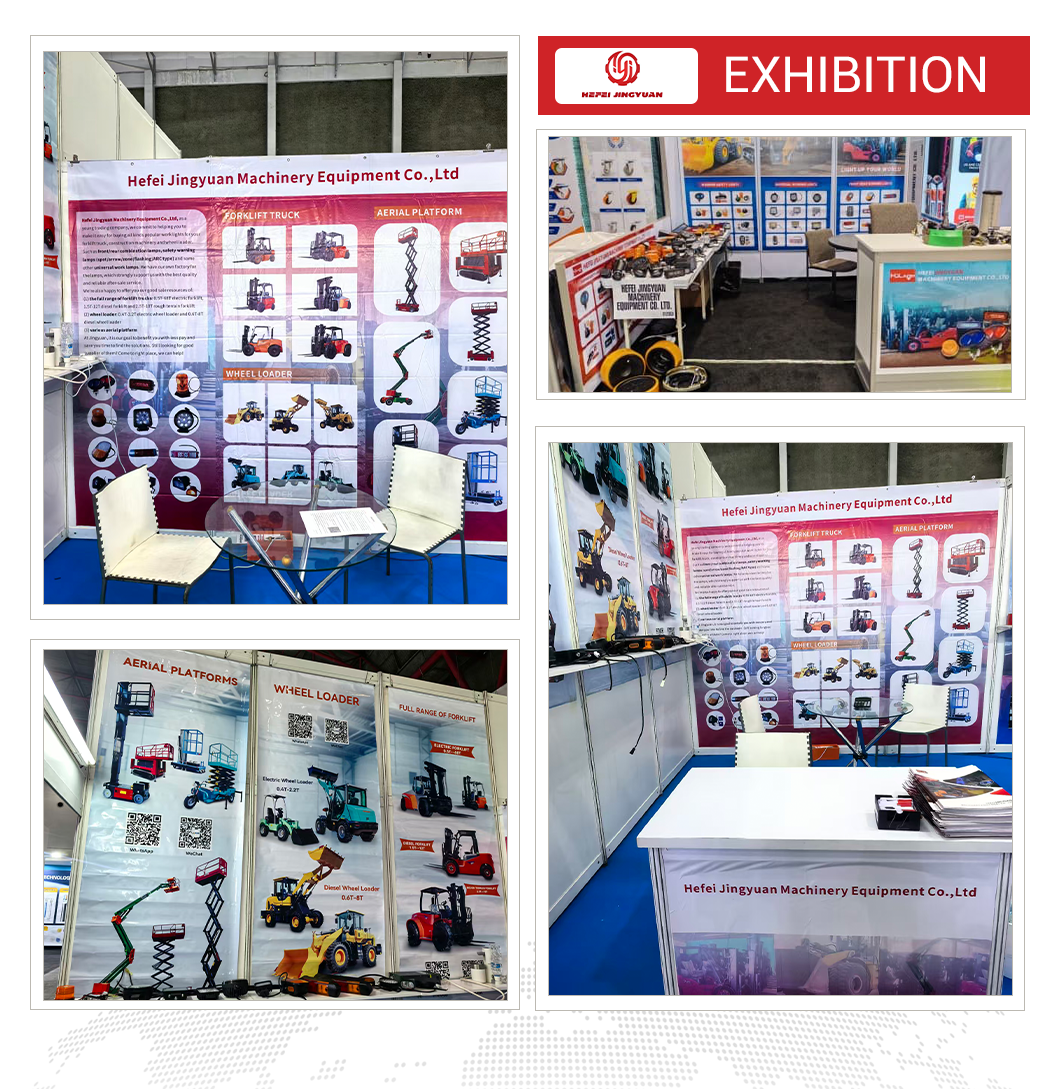
This is widely used in:
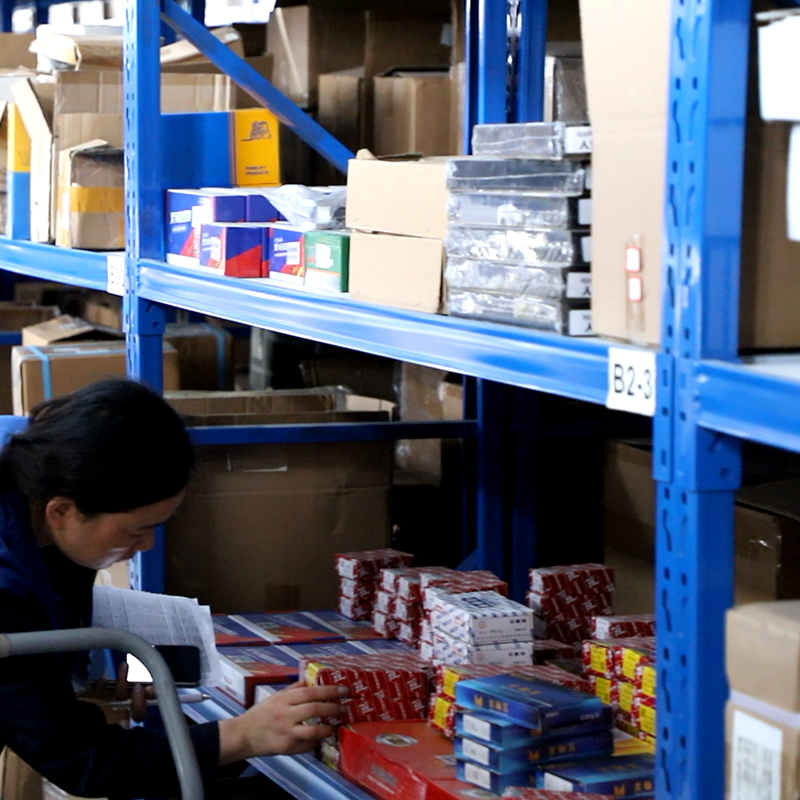
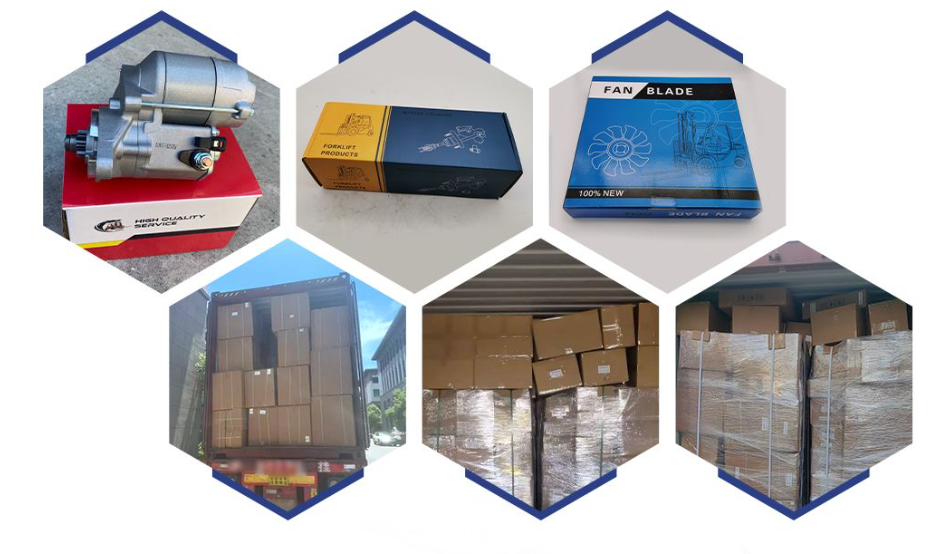
To ensure reliable performance before shipment, every spare parts undergoes:

Q: How about your MOQ?
A: Special cases can be treated specially.
Q: Do you offer customization service?
A: Yes, we could print your brands (logo, artwork) on the products/packages or laser engraving your brand. Samples for development are also warmly welcomed. We have rich experience in developing and modifying it.
Q: Which payment method does your company support?
A: T/T is preferred. The payment method is flexible and changeable, and we can discuss the specific situation in detail according to the order. We will do our best to meet your needs.
Q: How about the delivery time?
A: Normally, 7-10 workdays for the most popular times.
Q: How to confirm a spare part ?
A: Usually, there are the following steps to confirm a spare part:
(1) Send us the information you have (OEM numbers, photos, specifications, forklift models, etc.)
(2) Quote and send you photos and other details for confirmation.
(3) Discuss about all details you want to know (packing, delivery terms, etc. )
Q: Do you provide sample?
A: It depends,we would provide samples, but the cost is supposed to be paid by the buyers.
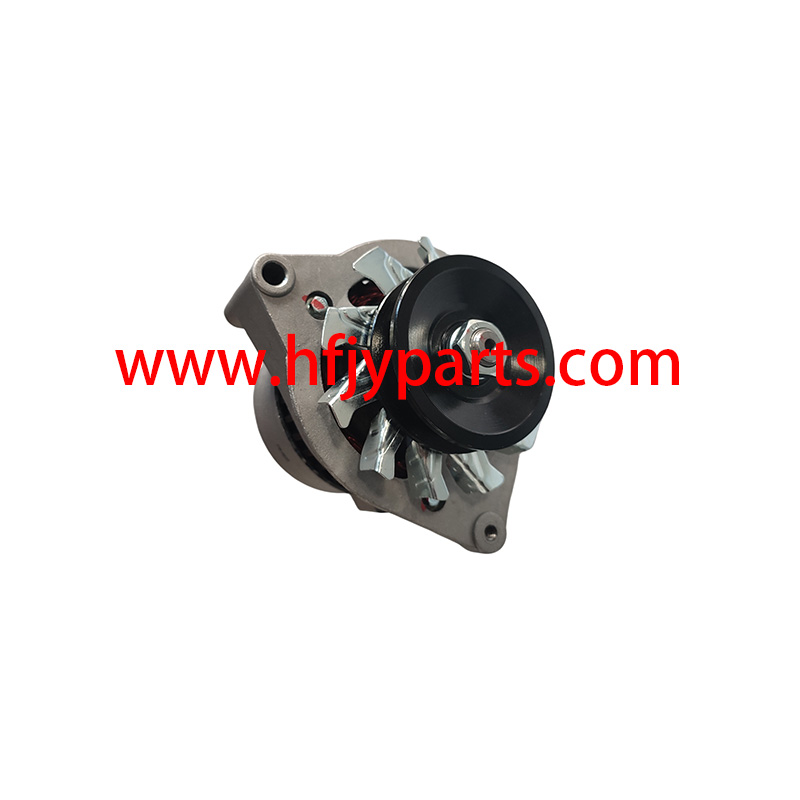
Hefei Jingyuan Machinery Equipment suministra repuestos para montacargas de alta calidad a buen precio. Este es un alternador de motor para XINCHAI 490BPG.. También ofrecemos otros alternadores para TCM, KOMATSU, NISSAN y TOYOTA.、ISUZU máquina elevadora.
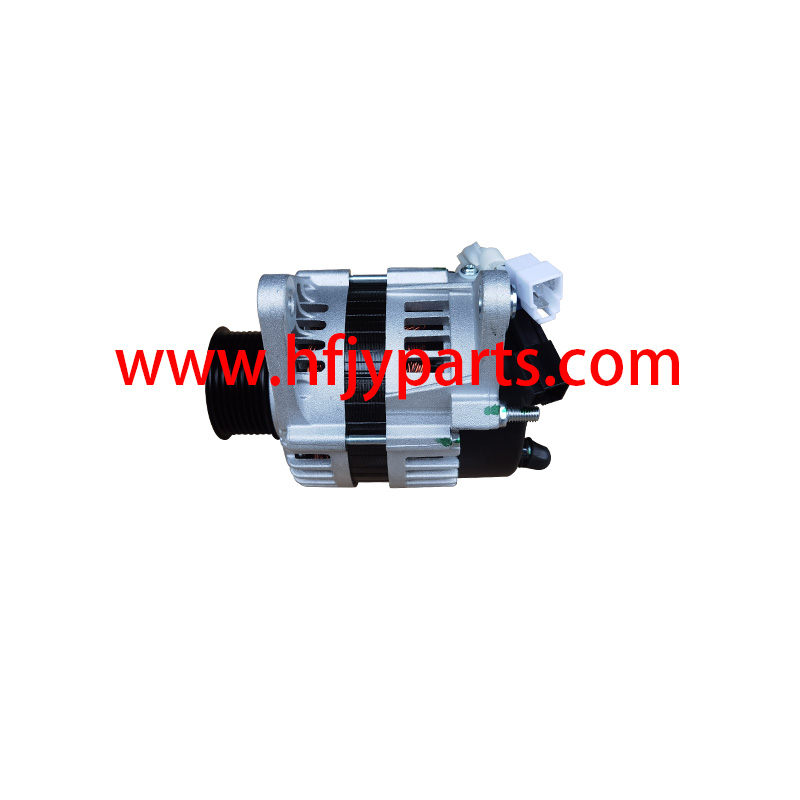
Hefei Jingyuan Machinery Equipment suministra repuestos para montacargas de alta calidad a buen precio. Este es un alternador de motor para XINCHAI.. También ofrecemos otros alternadores para TCM, KOMATSU, NISSAN y TOYOTA.、ISUZU máquina elevadora.
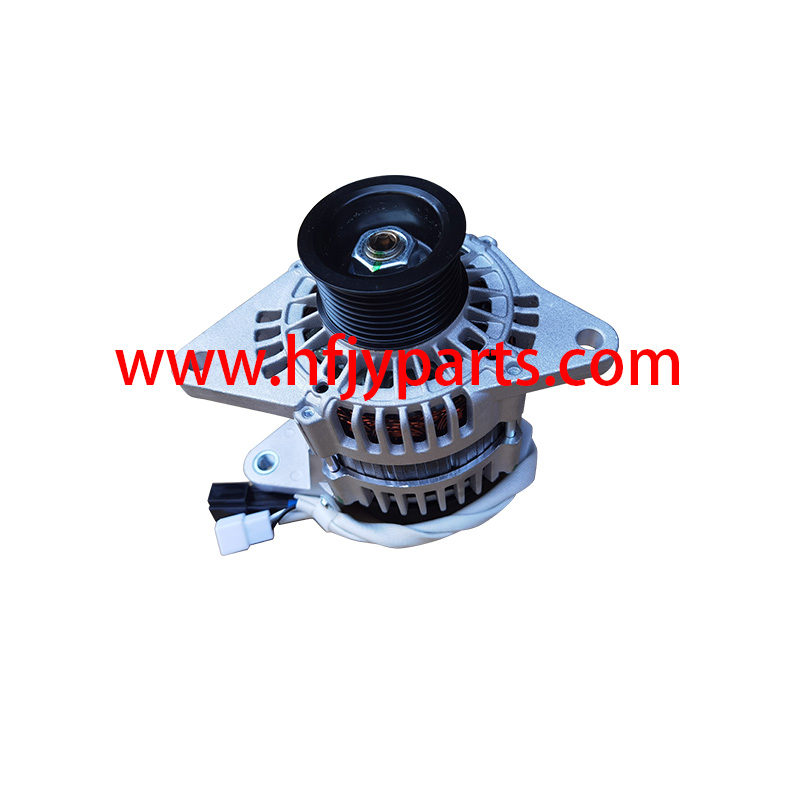
Hefei Jingyuan Machinery Equipment suministra repuestos para montacargas de alta calidad a buen precio. Este es un alternador de motor para XINCHAI.. También ofrecemos otros alternadores para TCM, KOMATSU, NISSAN y TOYOTA.、ISUZU máquina elevadora.
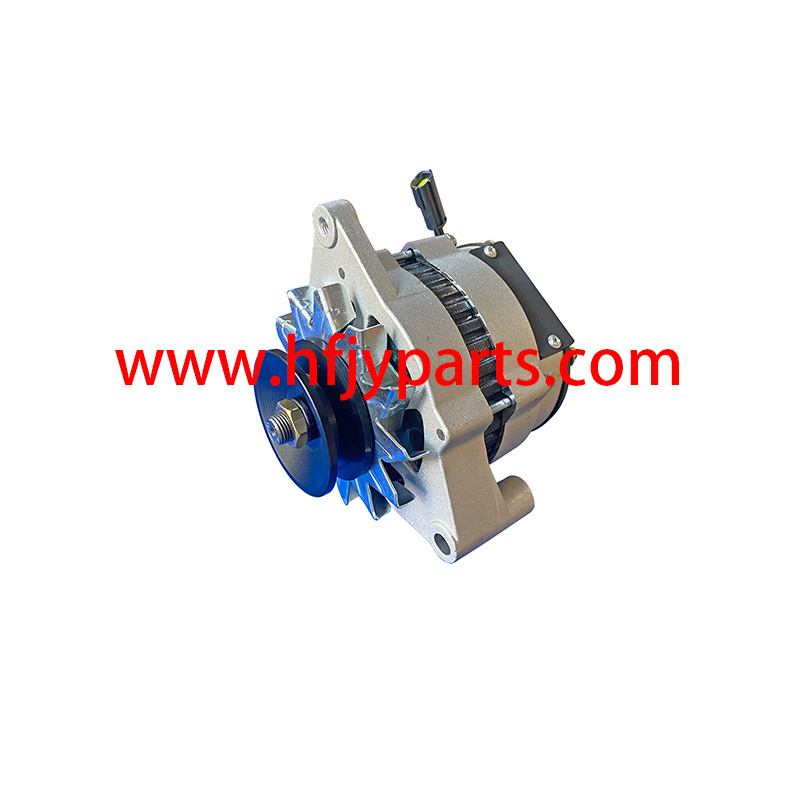
Hefei Jingyuan Machinery Equipment suministra repuestos para montacargas de alta calidad a buen precio. Este es un alternador de motor para XINCHAI.. También ofrecemos otros alternadores para TCM, KOMATSU, NISSAN y TOYOTA.、ISUZU máquina elevadora.
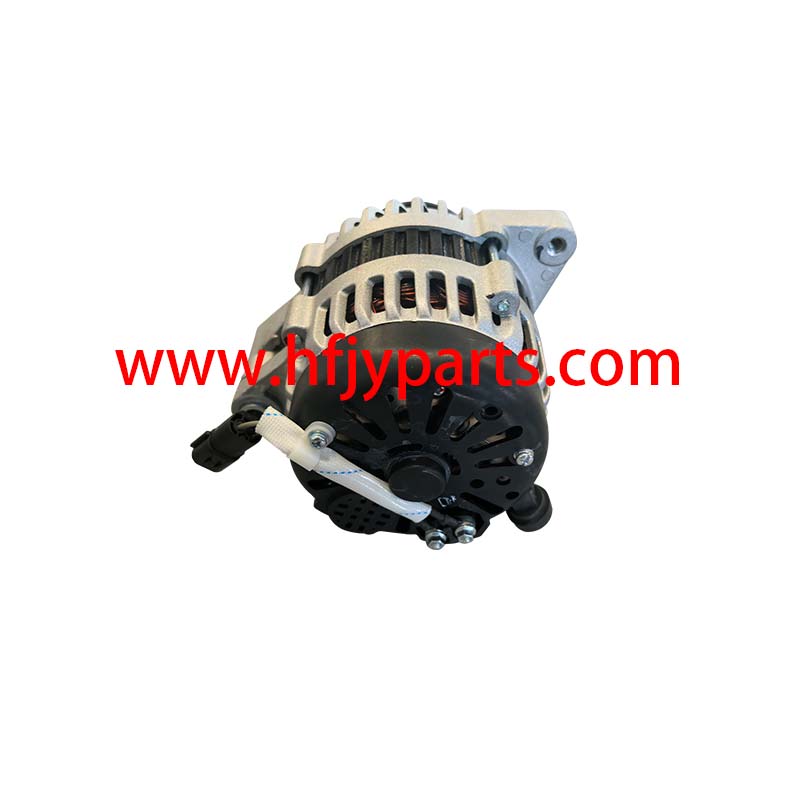
Hefei Jingyuan Machinery Equipment suministra repuestos para montacargas de alta calidad a buen precio. Este es un alternador de motor para XINCHAI.. También ofrecemos otros alternadores para TCM, KOMATSU, NISSAN y TOYOTA.、ISUZU máquina elevadora.
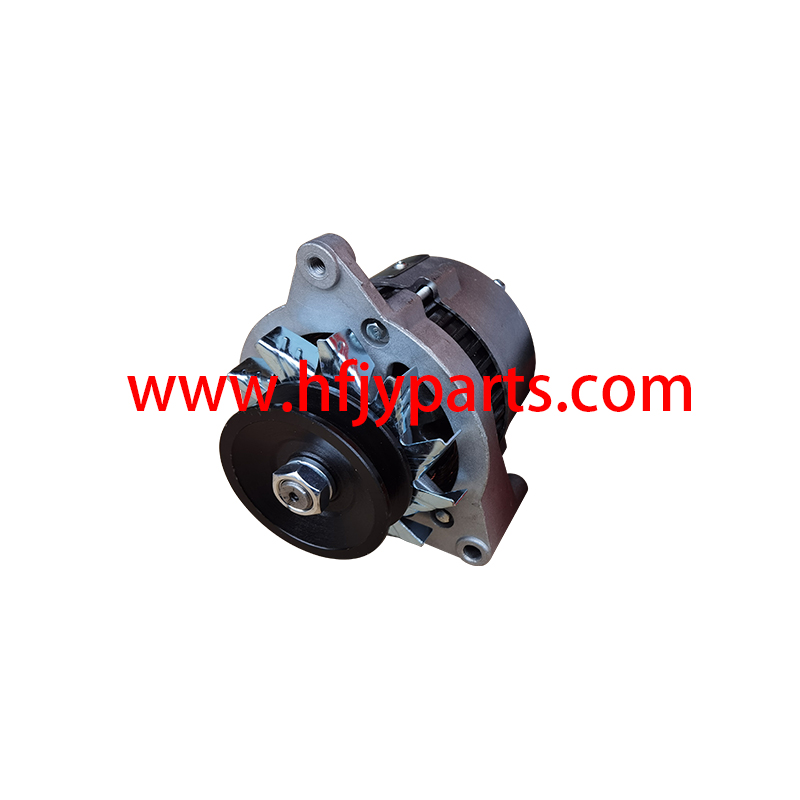
Hefei Jingyuan Machinery Equipment suministra repuestos para montacargas de alta calidad a buen precio. Este es un alternador de motor para QC490GP.. También ofrecemos otros alternadores para TCM, KOMATSU, NISSAN y TOYOTA. máquina elevadora.
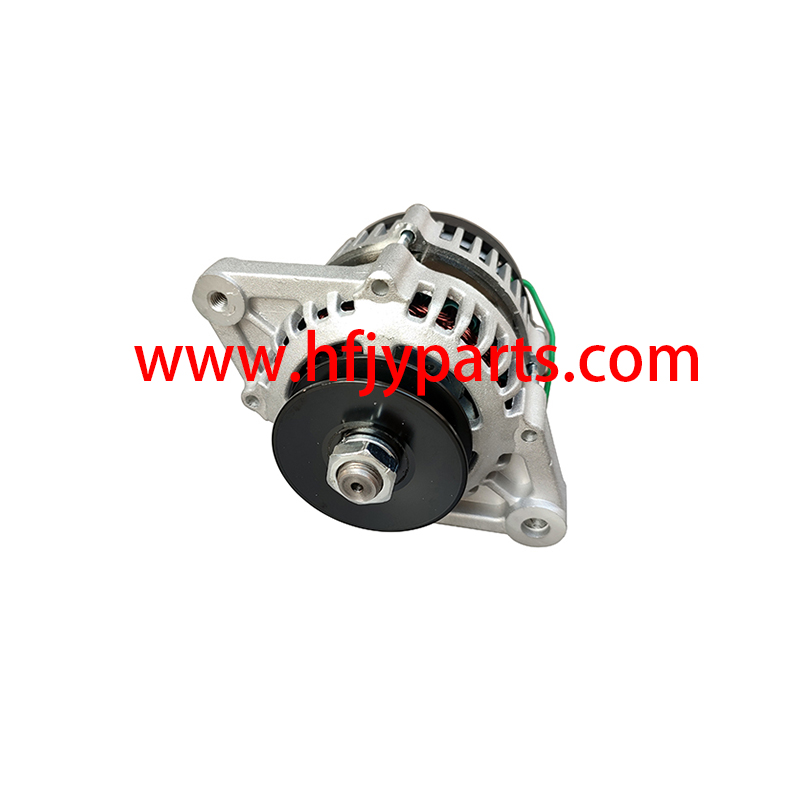
Hefei Jingyuan Machinery Equipment suministra repuestos para montacargas de alta calidad a buen precio. Este es un alternador de motor para el modelo A2300. También ofrecemos otros alternadores para TCM, KOMATSU, NISSAN y TOYOTA. máquina elevadora.
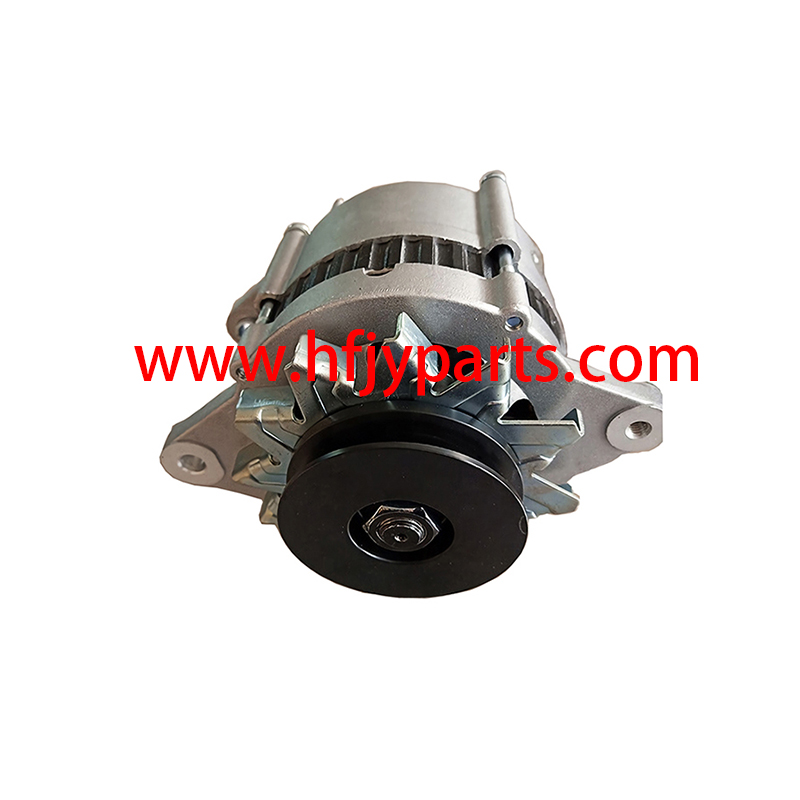
Hefei Jingyuan Machinery Equipment suministra repuestos de alta calidad para montacargas a buen precio. Este es un alternador de motor para el modelo DACHAI CA498. También ofrecemos otros alternadores para TCM, KOMATSU, NISSAN y TOYOTA. máquina elevadora.
dejar un mensaje
Escanea y envíalo a WeChat. :

Escanea y envíalo a WhatsApp. :